Immersive Audio Explained Simply
The Future of Sound for Every Space
In the world of professional AV, terms like Spatial Audio, 3D Sound, and Object-Based Audio are no longer just buzzwords for high-end cinema. They represent a fundamental shift in how we experience sound. But what exactly is immersive audio, and why should it matter to your next project? At POLAR, we believe in stripping away the jargon to help you understand the technology that is redefining communication and entertainment.
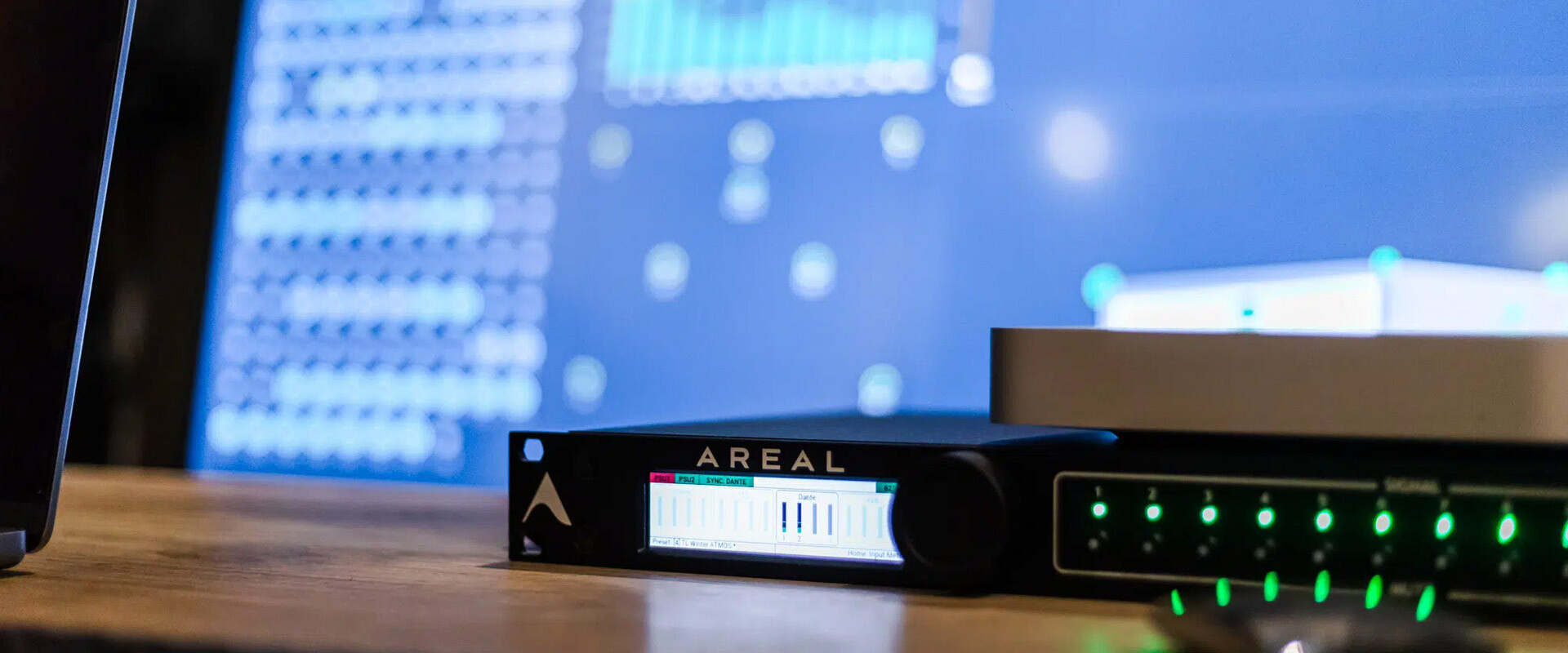
What is Immersive Audio?
At its simplest, immersive audio is a surround-sound technology that goes beyond traditional horizontal planes. While standard stereo (2.0) or surround sound (5.1) delivers sound from the front, sides, and back, immersive audio adds the element of height and depth.
Instead of hearing a sound "from the left speaker," you hear it from a specific point in a three-dimensional space—above you, behind you, or even moving across the room. Think about the difference between listening to a football crowd on a standard TV and feeling like you are actually sitting inside the stadium. That sense of realism is what immersive audio aims to create.
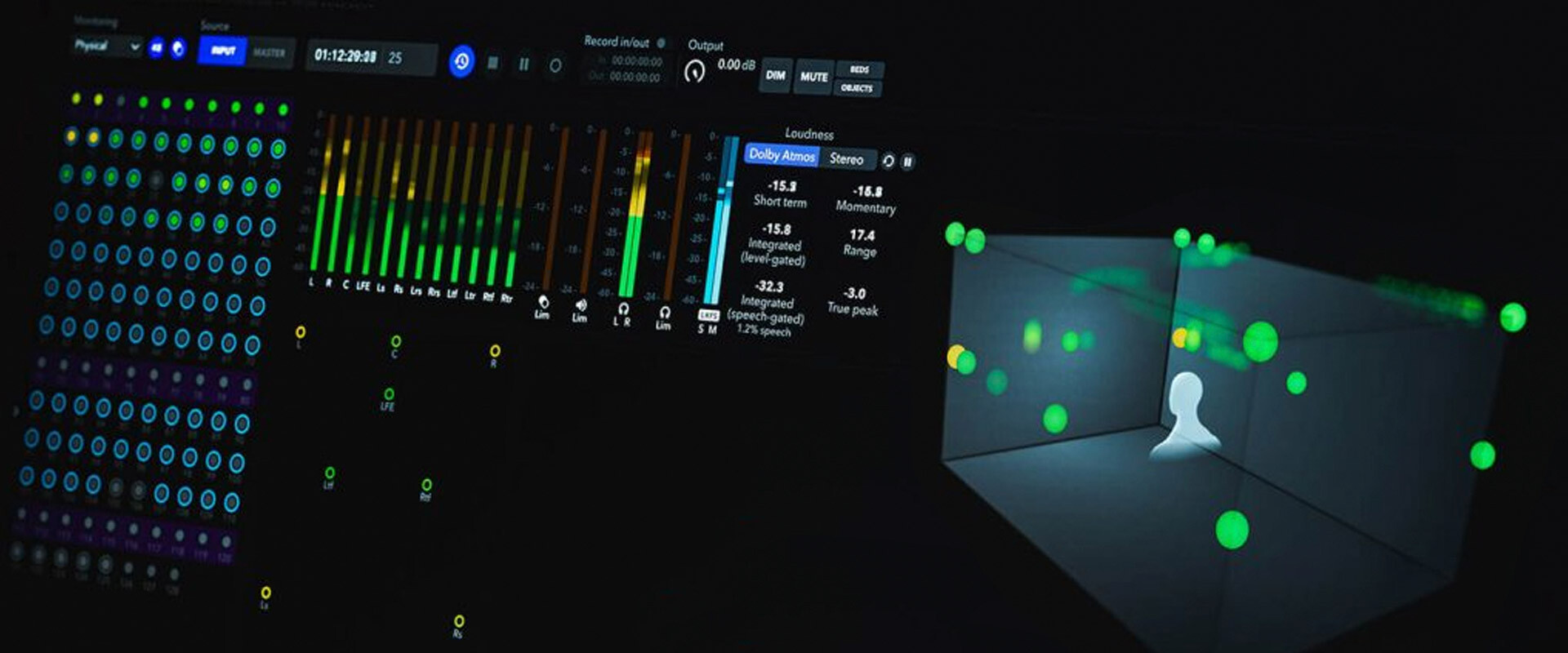
The Key Difference: Channels vs. Objects
To understand how this works, we need to look at the two primary ways audio is mixed:
Channel-Based Audio (The Old Way)
In traditional setups, sound is sent to specific channels (e.g., the "Left" speaker). If you don't have a speaker in that exact spot, you lose the intended effect.
Object-Based Audio (The Immersive Way)
Technologies like Dolby Atmos treat sounds as "objects." Each object has metadata telling the processor exactly where that sound should be. The system then renders that sound for whatever speaker layout you have available.
Immersive Audio Across Different Sectors
While it started in the cinema, immersive audio is now a vital tool for various professional sectors:
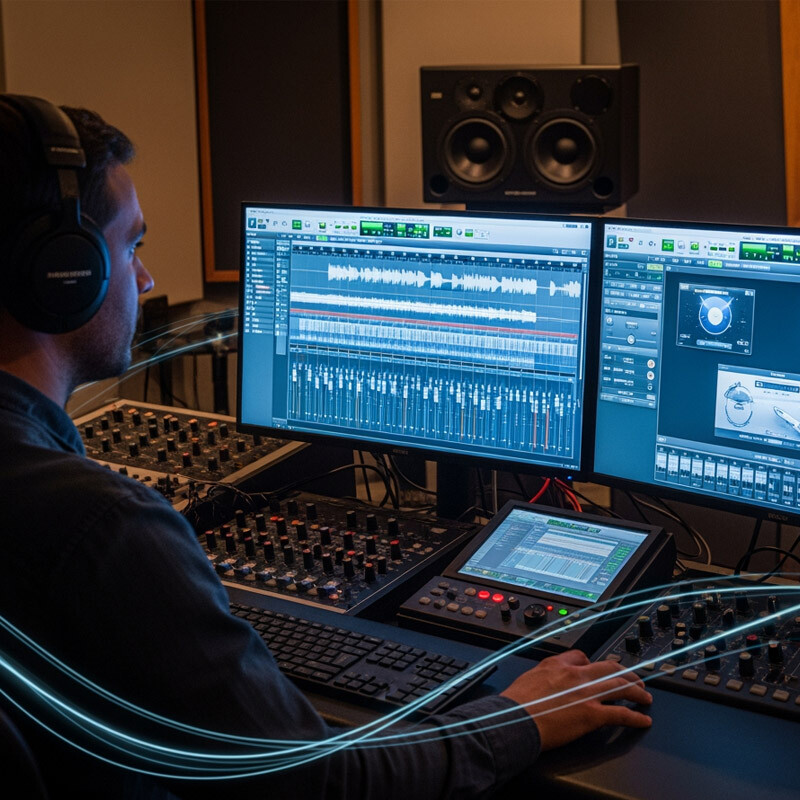
Music Production
For modern producers, the challenge is no longer just "left and right," but "all around." High-end spatial mixing used to require a multi-million-pound studio with dozens of speakers. Today, brands like Areal are making this accessible and portable.
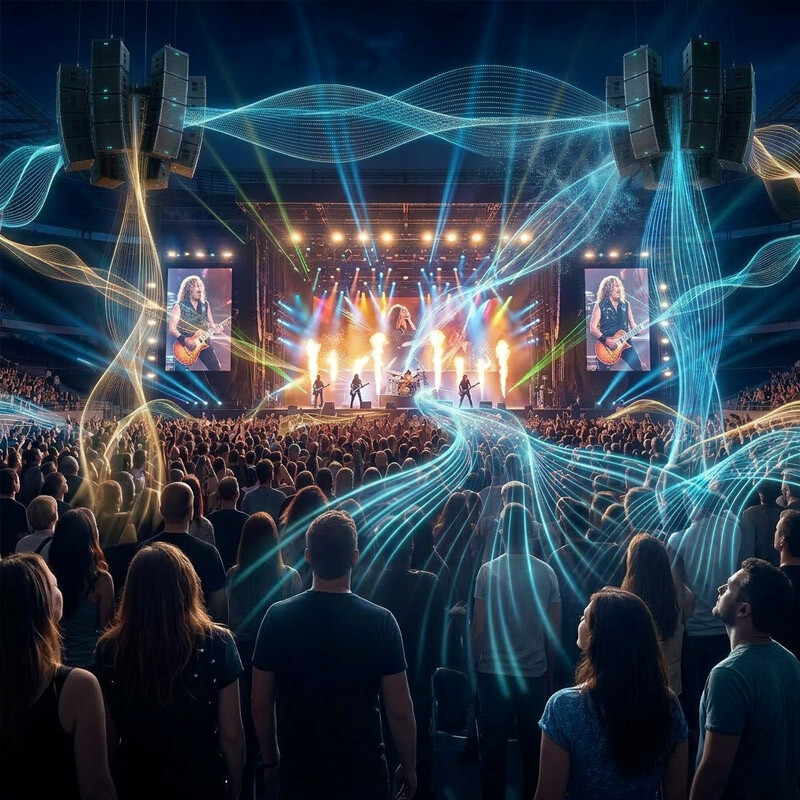
Live Events & Houses of Worship

Corporate & Conferencing

Education & Lecture Halls

Esports and Gaming Environments

Hospitality Venues
Leading Formats in the Industry
When choosing an immersive solution, you will likely encounter these three standards:

Dolby Atmos: The industry leader in cinema and home entertainment, now widely used in music and mobile devices.

DTS:X: A flexible, object-based codec that doesn't require a specific speaker layout.

MPEG-H Audio: Popular in broadcast, allowing users to customise their own audio mix (e.g., turning up the commentary over the crowd noise in a football match).
Leading Hardware
The Areal Advantage
As the official distributor for Areal in the UK, POLAR provides cutting-edge tools that bridge the gap between traditional stereo and the future of spatial sound. By combining advanced spatial audio technology with intuitive workflows, Areal removes the complexity often associated with immersive audio. The resulting systems integrate seamlessly into your setup, helping you focus on creativity while maintaining accuracy, consistency, and control.
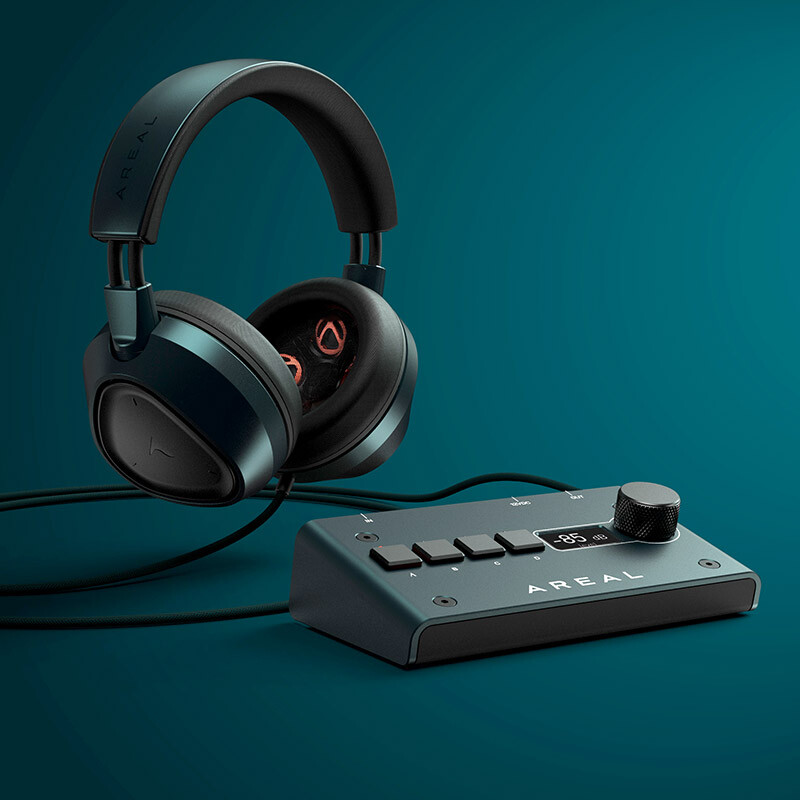
Areal SR1
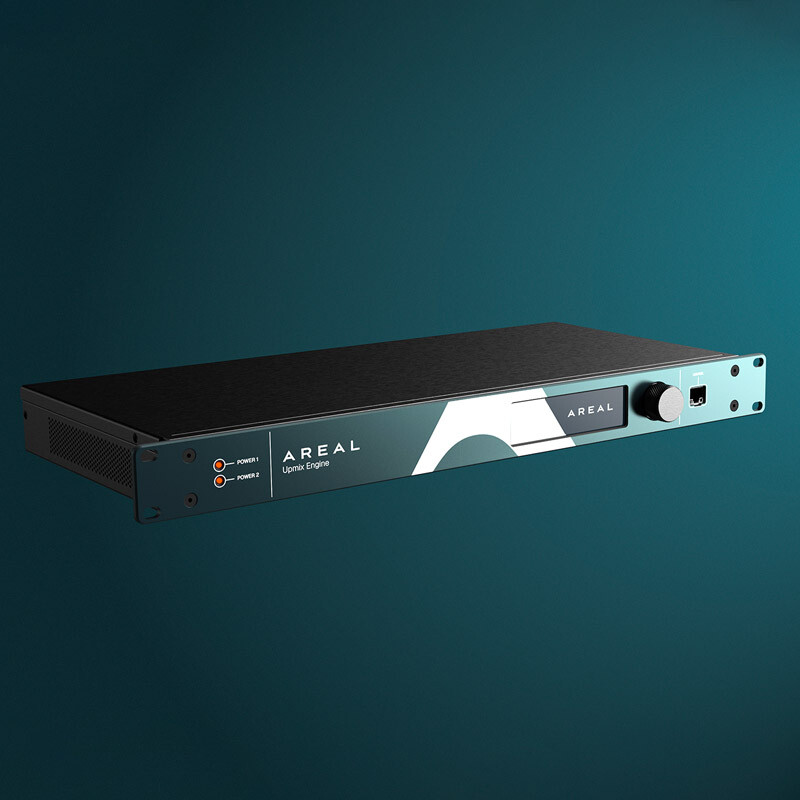
Areal Upmix Engine
Is it Worth the Investment?
Immersive audio is more than just "more speakers." It is about naturalism. By mimicking how humans actually hear in the real world, we create environments that are more comfortable, more engaging, and more inclusive. Whether you are looking to upgrade a boardroom, a retail space, or a concert venue, spatial audio represents the next leap in professional AV.
Ready to bring 3D sound to your space? Contact the POLAR team today for expert advice on the best hardware and software solutions for your specific needs.